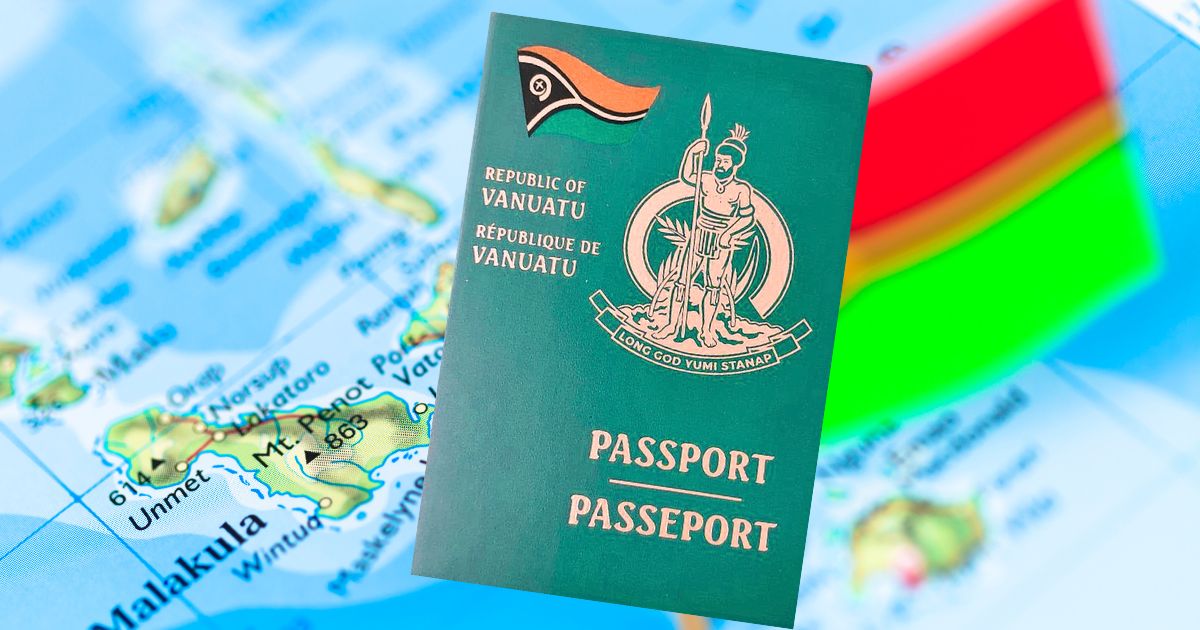
Choosing between Vanuatu and Caribbean citizenship by investment programs represents one of the most significant decisions for investors seeking alternative residency options. Both regions offer compelling pathways to second citizenship, yet they differ substantially in processing times, costs, visa-free travel access, and tax implications. This comprehensive comparison examines the key distinctions to help you determine which program aligns best with your personal and financial objectives.
Investment Requirements and Program Costs
The financial commitment required for citizenship varies considerably between Vanuatu and Caribbean nations. Vanuatu's Development Support Program (DSP) starts at approximately $130,000 for a single applicant, making it one of the more accessible options in the citizenship by investment landscape. This contribution goes directly to the government's development fund and does not require property purchase or business investment.
Caribbean citizenship programs present a broader range of investment options across five nations — Antigua and Barbuda, Dominica, Grenada, St. Kitts and Nevis, and St. Lucia. Minimum contributions typically range from $100,000 to $200,000 for single applicants, depending on the specific country and investment route chosen. Most Caribbean programs offer multiple pathways including government fund donations, real estate purchases, or business investments.
Additional Fees and Family Inclusion
Beyond the base investment, applicants must account for due diligence fees, processing charges, and legal expenses. Vanuatu's fee structure remains relatively straightforward, with transparent pricing for family members. Adding a spouse costs approximately $50,000, while dependent children under 18 can be included for around $25,000 each.
Caribbean programs vary in their family inclusion costs, with some offering more favorable rates for larger families. Dominica, for instance, allows families of up to four to apply for $200,000 total, making it particularly attractive for families. St. Kitts and Nevis and Antigua and Barbuda also provide competitive family packages that can offer better value when including multiple dependents.
Processing Speed and Application Efficiency
Time to citizenship stands as one of Vanuatu's most compelling advantages. The DSP program consistently delivers citizenship within 30 to 60 days from application submission, making it the fastest citizenship by investment program globally. This expedited timeline appeals to investors requiring urgent travel documents or those seeking rapid diversification of their citizenship portfolio.
Caribbean programs generally require longer processing periods, typically ranging from three to six months. Dominica and St. Lucia often process applications within three to four months, while Antigua and Barbuda, Grenada, and St. Kitts and Nevis may take four to six months. These timelines can extend further if additional documentation is requested or due diligence reviews require more thorough investigation.
The difference in processing speed can be decisive for investors with time-sensitive business opportunities or those needing immediate travel flexibility to specific jurisdictions.
Travel Freedom and Visa-Free Access
Visa-free travel access represents a critical consideration for most citizenship by investment applicants. Vanuatu passport holders enjoy visa-free or visa-on-arrival access to approximately 130 countries and territories, including the United Kingdom, Russia, Hong Kong, and Singapore. However, Vanuatu citizenship does not provide visa-free access to Canada or the Schengen Area, which may limit its appeal for investors with strong European or North American travel needs.
Caribbean passports generally offer superior global mobility, with access to 140-160 countries depending on the specific nation. All five Caribbean programs provide visa-free entry to the Schengen Area, the United Kingdom, and most Commonwealth nations. Grenada stands out as the only Caribbean program offering visa-free access to China and eligibility for the United States E-2 investor visa, making it particularly valuable for investors with American business interests.
Regional Travel Considerations
Your primary travel destinations should heavily influence your decision. Consider these key access differences:
- European Travel — Caribbean passports provide unrestricted Schengen access for up to 90 days within any 180-day period, while Vanuatu does not
- Asian Markets — Vanuatu offers strong access to Asian countries including Singapore, Hong Kong, and Malaysia
- Russian Federation — Vanuatu provides visa-free access to Russia, which most Caribbean nations do not
- United States — Neither Vanuatu nor most Caribbean nations offer visa-free US access, though Grenada provides E-2 treaty investor visa eligibility
- China — Grenada uniquely offers visa-free access to China among citizenship by investment programs
Tax Implications and Financial Privacy
Both Vanuatu and Caribbean jurisdictions structure their tax systems favorably for international investors. Vanuatu operates as a tax haven with no personal income tax, capital gains tax, inheritance tax, or wealth tax for residents and citizens. The nation does not participate in the Common Reporting Standard (CRS), offering enhanced financial privacy, though this status may change as international pressure for tax transparency increases.
Caribbean nations generally impose no taxes on worldwide income for non-residents, though specific tax obligations vary by country. Most Caribbean citizenship by investment countries have signed CRS agreements, meaning they automatically exchange financial information with other participating jurisdictions. This transparency may concern some investors, while others view it as a sign of international legitimacy and reduced reputational risk.
Residency Requirements and Physical Presence
Neither Vanuatu nor Caribbean programs require applicants to reside in the country before or after obtaining citizenship. This flexibility allows investors to maintain their current lifestyle and business operations while enjoying the benefits of alternative citizenship. However, investors should consider potential tax residency implications in their home countries, as acquiring second citizenship does not automatically change existing tax obligations.
Reputation, Due Diligence, and Long-Term Stability
Program reputation significantly impacts the practical value of citizenship. Caribbean citizenship by investment programs have operated for decades, with St. Kitts and Nevis establishing the first program in 1984. This longevity has built international recognition and acceptance, though some programs have faced scrutiny regarding due diligence standards.
Vanuatu's program, while newer, has rapidly gained acceptance but has also faced criticism from international bodies. The European Union temporarily placed Vanuatu on a visa blacklist in 2022 due to concerns about security risks, though this was lifted after Vanuatu strengthened its due diligence procedures. These reputational challenges underscore the importance of understanding how your chosen citizenship may be perceived internationally.
Making Your Decision
Selecting between Vanuatu and Caribbean citizenship depends on your specific priorities:
- Choose Vanuatu if you prioritize rapid processing, lower costs, Asian travel access, and maximum financial privacy
- Select a Caribbean program if you require European travel freedom, prefer established program reputation, or need US E-2 visa eligibility (Grenada)
- Consider Dominica or St. Lucia for budget-conscious families seeking Caribbean citizenship
- Opt for Grenada if you need the broadest possible travel access including China and US E-2 visa potential
- Evaluate St. Kitts and Nevis or Antigua and Barbuda for the longest-established programs with proven track records
Both Vanuatu and Caribbean citizenship programs offer legitimate pathways to alternative residency and expanded global mobility. Your optimal choice depends on balancing investment capacity, timeline urgency, travel requirements, tax considerations, and long-term strategic objectives. Professional guidance can help navigate the complexities of each program and ensure your application meets all requirements. To discuss which citizenship by investment program best suits your unique circumstances, contact our experienced advisors for a confidential consultation tailored to your specific needs and goals.